
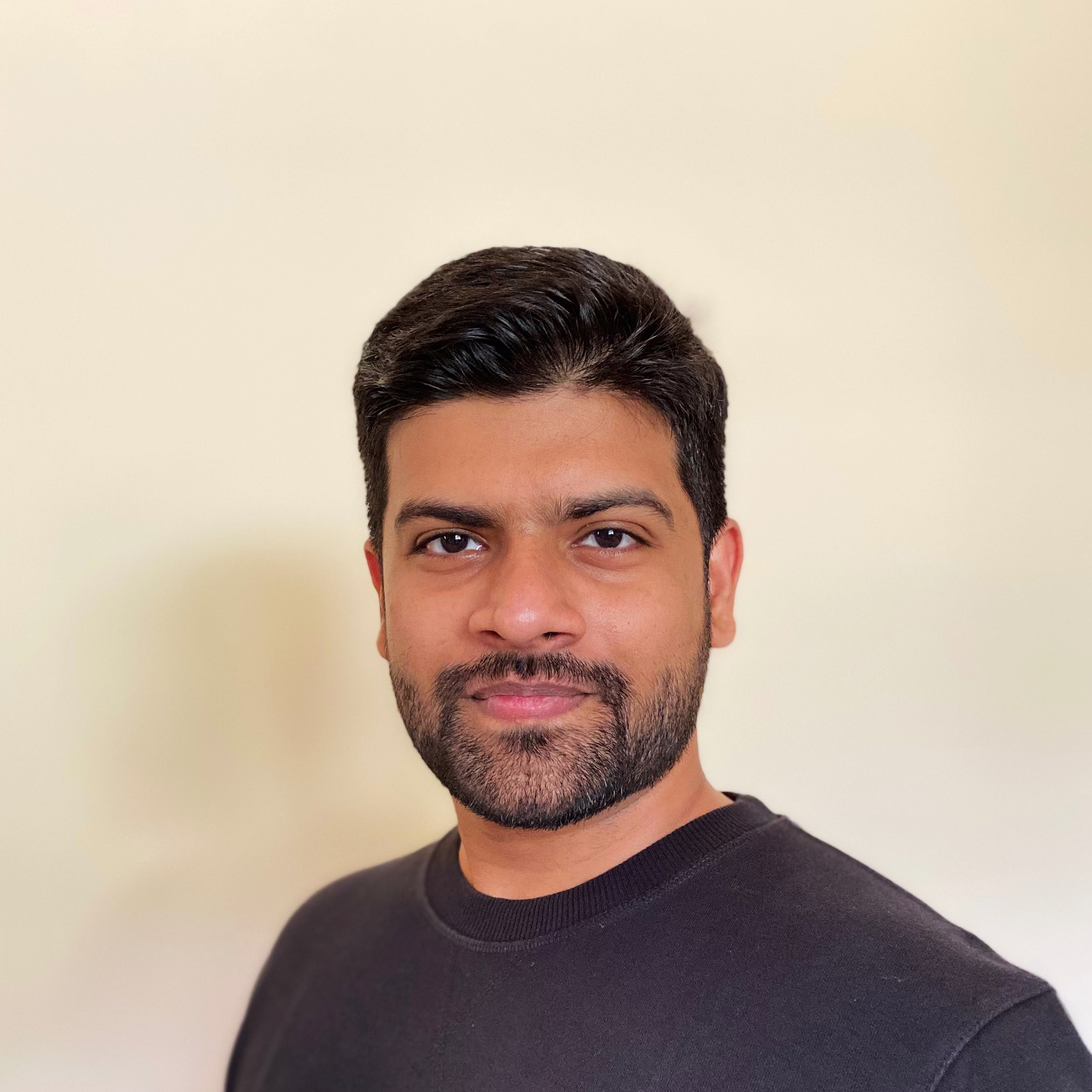
AI, Singapore and the Opportunity Cost of Human Connection
I’ve spent the last month in Singapore and, for the first time, felt a country outperform me at my own thesis.
I’ve been an AI maximalist for years now. Automate the repetitive. Optimise the workflow. Efficiency compounds like interest. I’ve argued this to founders, to investors, to anyone who would listen. Even when I was a child, my parents would always joke, “leave Osborne on an island with his laptop and he’s the happiest man on earth”. So landing in Singapore felt like walking into my own utopia. The pinnacle of efficiency. No other country has achieved it. The subway line runs on time. The streets are spotless. The entire citizenry follows rules, and the line moves forward. Singapore is so efficient that even their English, i.e. Singlish, is a stylised version, optimised for efficiency in speech.
I’ve been travelling to Singapore on/off since 2018 or so. First time this past month I’ve lived here for more than a couple of days. Over the years, I’ve seen a notable shift in digitisation, automation and efficiency.
Everything just works. I love it. Genuinely.
Then somewhere in week three of living here, I noticed I was missing something I could not name.
The quiet carriages
Singapore cares about how you behave in public. Singaporeans also care about not inconveniencing others in public. Aside from the fact that there are rules about most things, they would do it even if the rules don’t exist.
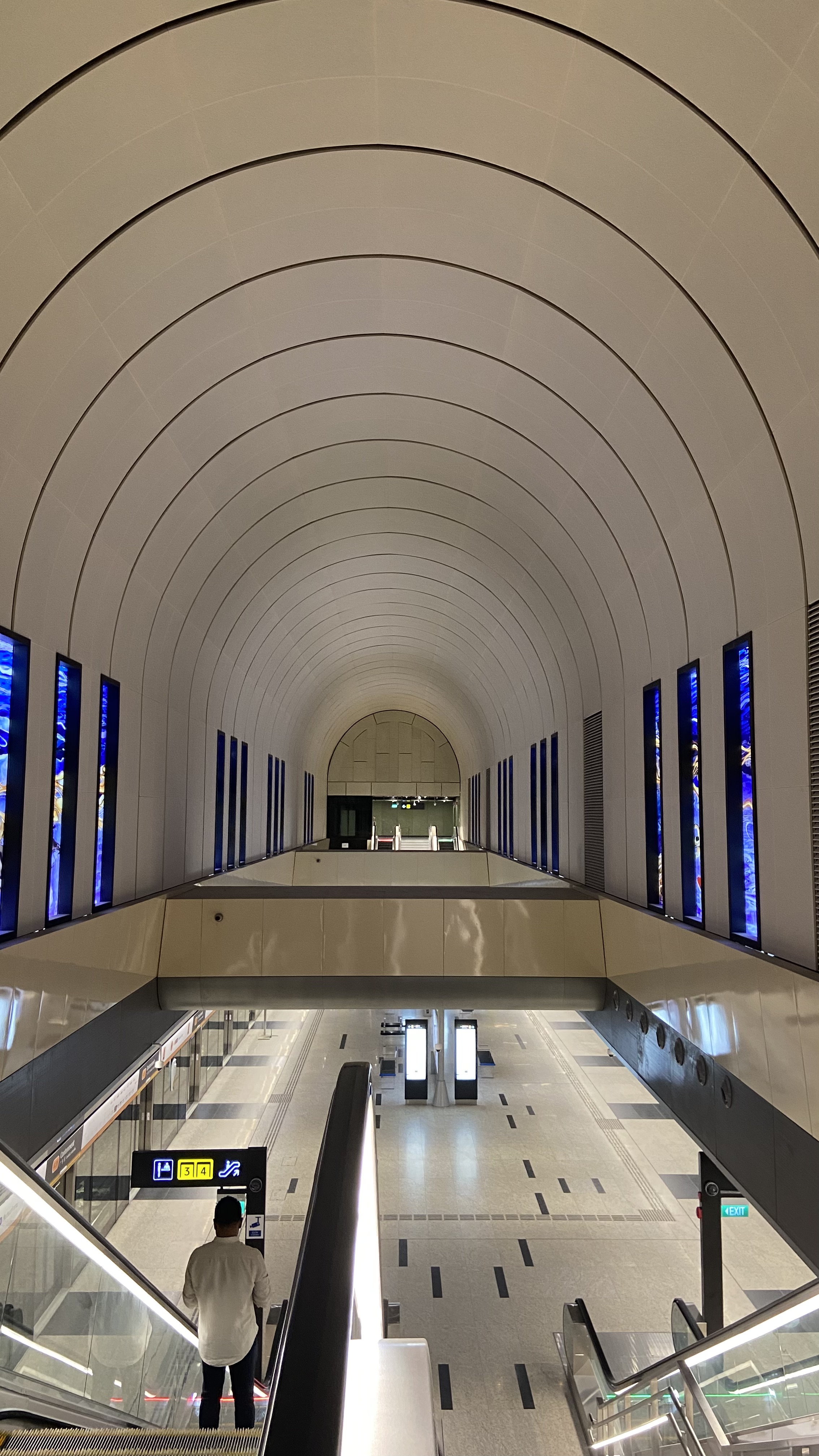
I ride the MRT and the buses to most places now. Carriages full of people. Unfortunately, very rarely do people even look at each other. No eye contact. No smiles. Nothing. Everyone’s just on their phones, even while alighting/boarding. The MRT station itself is managed by maybe 2-4 people in total. Everything is automated.
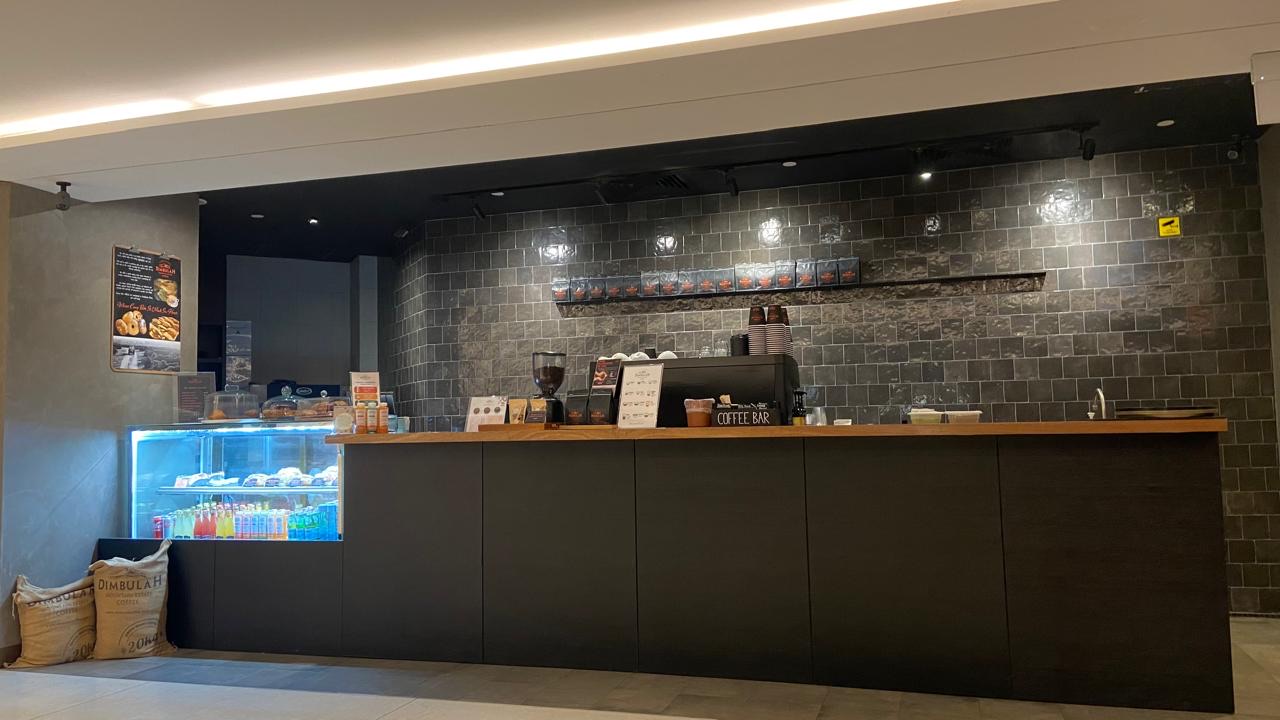
I work remotely and I’ll usually be found at a coffee shop in the city. Same story in cafes. One/two people now run the whole cafes in Singapore. Ordering is almost entirely done by the customer on screens/app - having to scan a QR code or something. You get a buzzer when your order is ready, you put your tray/trash back in the trash/designated area yourself when done, without even interacting with the staff. Rarely a hello. No small talk. Not even an acknowledgement.
The staff are pleasant, but they are also invisible. The system is designed for efficiency and speed. Some staff even seem okay with it: they’re busy, why waste time talking to someone superficially?
I go to the local supermarkets and even there, the store has minimal staff. I look for the staff to ask for a body wash, or protein shake, or something else and they begrudgingly point me in the direction and simultaneously point at the board that says “Body Care” or “Health Care”. As if to say, “are you illiterate? Just read the signs”. Yes, I get it, they’re busy and if there are signs, I should just figure it out and not waste their time.
I don’t know, maybe it’s a culture thing. Nothing touches. But maybe that’s why I routinely see posts about loneliness on reddit in Singapore.
What efficiency does not count
Here is an uncomfortable observation from a person with my priors: small talk has no throughput. A barista asking about your day adds seconds to a transaction that a QR code can settle in one. By the logic I have defended my whole career, these are defects.
I get the business logic for this - rents are rising by the year, the cost of labour is rising, you can’t raise prices, so the best move is to increase efficiency and cut human labour costs.
I think they were load-bearing.
The friction we automate away was never friction. It was the protocol by which strangers acknowledged each other’s existence. Micro-interactions, thousands of them a day, that made a dense city feel inhabited rather than merely operated. Efficiency optimises what it counts. Nobody counts a nod. So a perfectly optimised city can hollow out the thing nobody measured, and every dashboard stays green.
Opportunity cost is the first concept every investor learns. I have spent a decade pricing the opportunity cost of capital. It took a month in the world’s most efficient city to price the opportunity cost of efficiency itself: human connection.
Singapore is also a unique case. An outlier in every aspect. Probably N of 1. I don’t think there’s any other country/city built the same way - right from its people, to its infrastructure, to its culture.
Maybe it is just me
The honest counterargument, against myself: possibly.
I am a visitor. Locals have their connections elsewhere: family dinners, hawker centre tables, coworkers, friends, communities the tourist’s eye never sees. A smile from a stranger on the MRT is not proof of a functioning society, and its absence is not proof of a broken one. Big cities everywhere are impersonal; the Tokyo comparison writes itself. And the chatter I’m used to in Bengaluru queues is my own baseline, not a benchmark. Anecdata, n=1, selection bias all the way down.
I hold all of that. And I still think something real is going on, because the absence is not random. It is designed. Two-person cafes run by apps are not a cultural accident. They are the winning configuration, chosen because it optimises. When the optimal configuration everywhere is the one with no humans in the customer’s path, we should at least ask what we traded.
I’m not trying to be insightful, and maybe I’m confusing homesickness for efficiency. This is just an observation, where is our efficiency leading us?
The Way Forward
I haven’t changed my mind about AI, automation and the productivity it brings. I still want AI doing the repetitive, manual work, and I still think the Intelligence Age we’re living in is the best time in history to build and invest. I hope I’m able to invest in the right kind of business models that don’t take away the essence of human connection on the road to automation and AI.
Drawing on Pulak Prasad’s book What I Learned About Investing From Darwin, evolution has always pushed species to improve productivity and outcomes at the lowest cost. That’s the only type of evolution that survived extinction.
Today, AI has dramatically lowered the barrier to vibecode a POS system and deploy SaaS tools to manage one’s business. The same way that a mid-level engineer can now vibecode and do the work of 10-20 engineers, a cafe can be run by a single barista - if all that’s needed is to make the coffee.
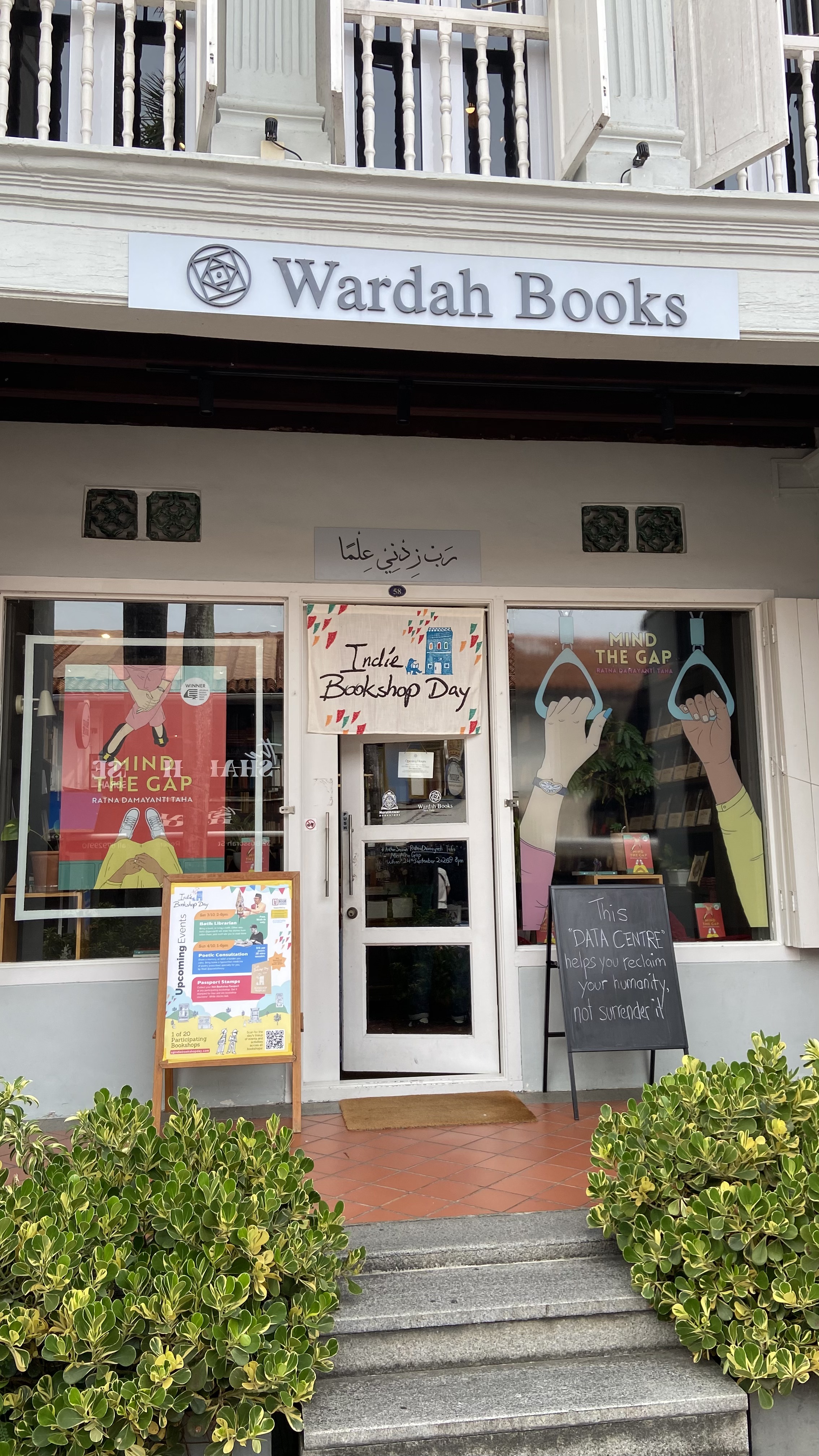
Our demographic evolution (reducing birth rate, growing elderly population etc.) is also pushing us toward more automation and efficiency, leading to greater productivity. I can’t be the fool to bet against evolution. But what are the technologies, models and businesses that will thrive in this new world, as we abstract away humans from the equation, without losing this human connection?
This is a question I didn’t think I’d be asking myself.
Singapore did not break my thesis. It priced a boundary condition.
Onward.